24hQuotation response on every brief
 Home
HomeCase studies
Real programs. Real trade-offs. Told honestly.
Twenty development and production programs — what the client brought, what actually blocked it, and the decisions that got it made.
3–4 daysStock samples · custom first sample in 7
MOQ 100Stock styles · custom 300–500 by style
AQL 2.5Final inspection by our own QC team
98%On-time delivery · our own record
5,000+Delivered by our count · 100+ countries · since 2018
4 case studies
Launch a collection
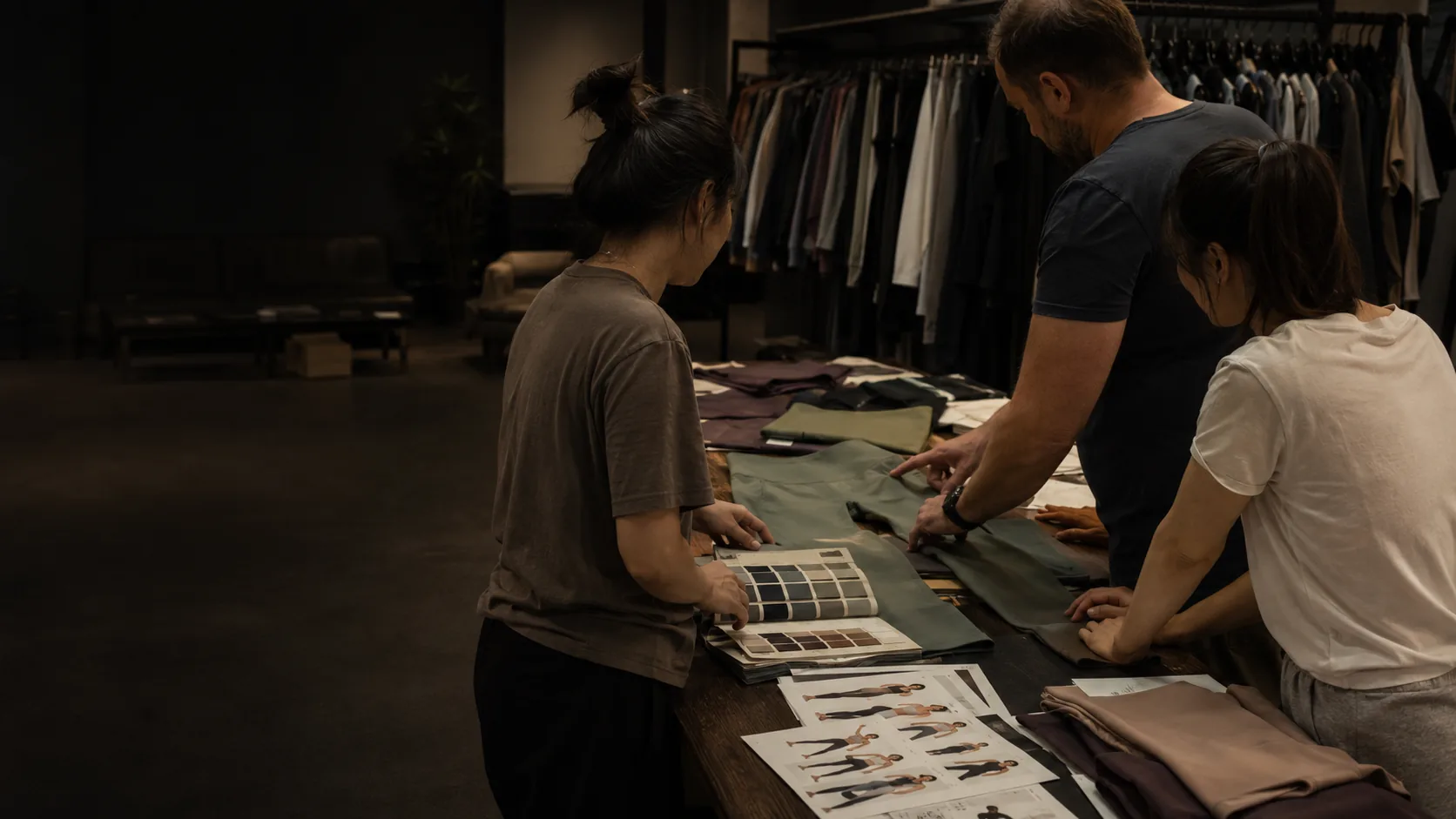
A first activewear collection, with no tech pack in sight
“I wasn't short of suppliers. I didn't know what to decide first.”
Read the case 02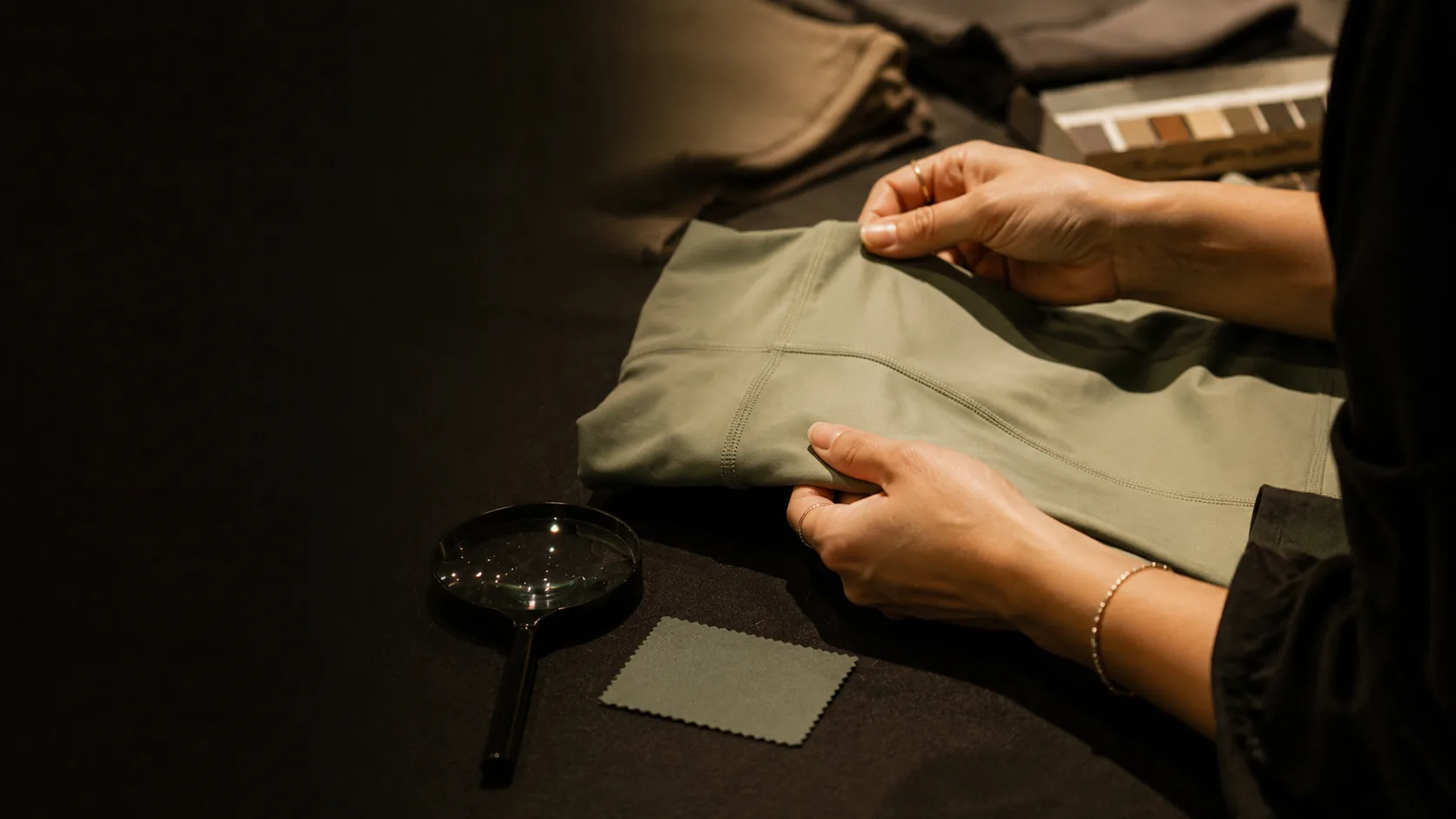
Small first order — but it can't look like generic stock with a logo
“I can make less. I can't make something that has no identity of its own.”
Read the case 03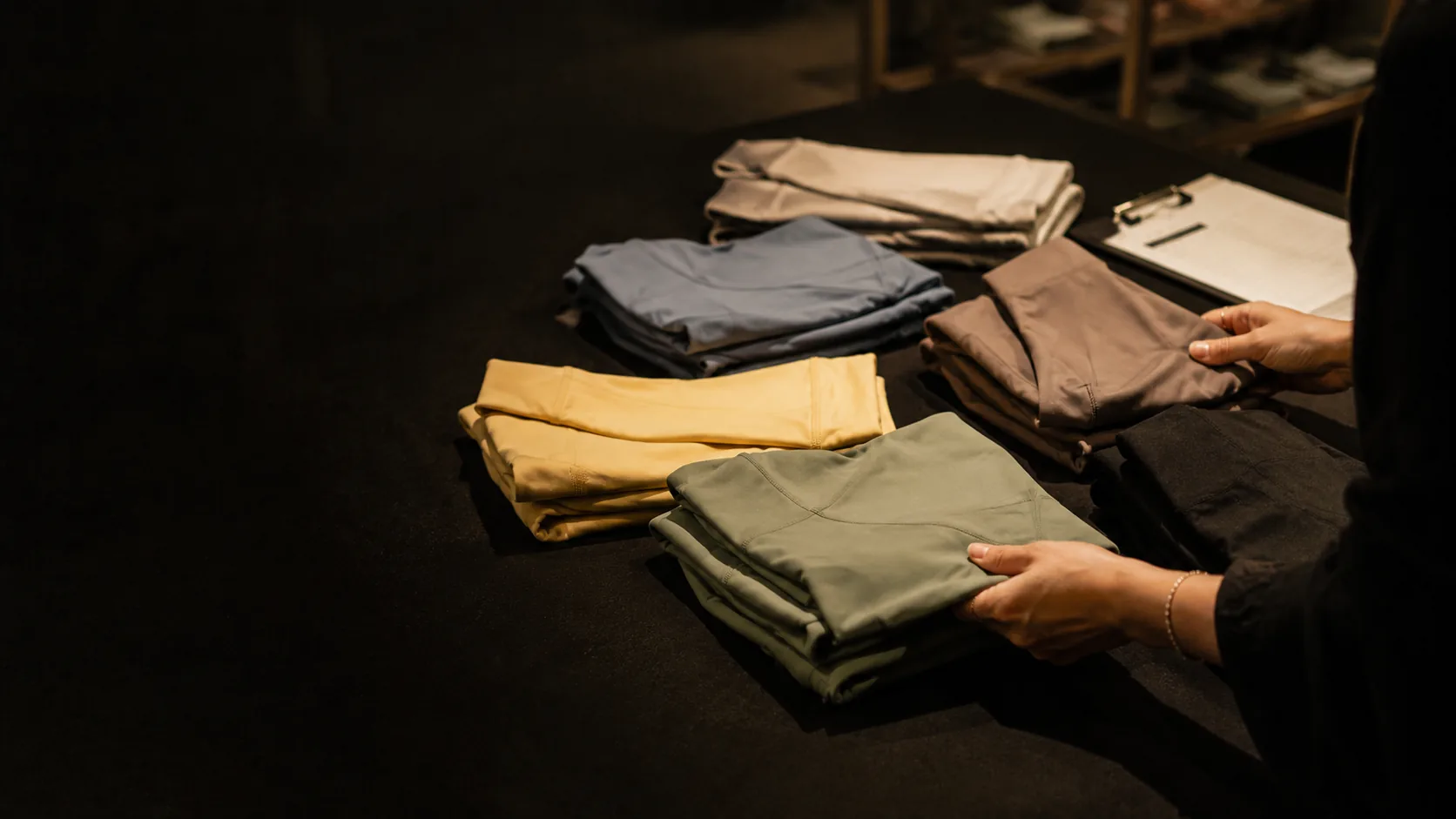
The garment factory said 300 pieces was fine. The dye house wanted a full lot.
“Why does a supplier say yes, and then another MOQ appears at order time?”
Read the case 08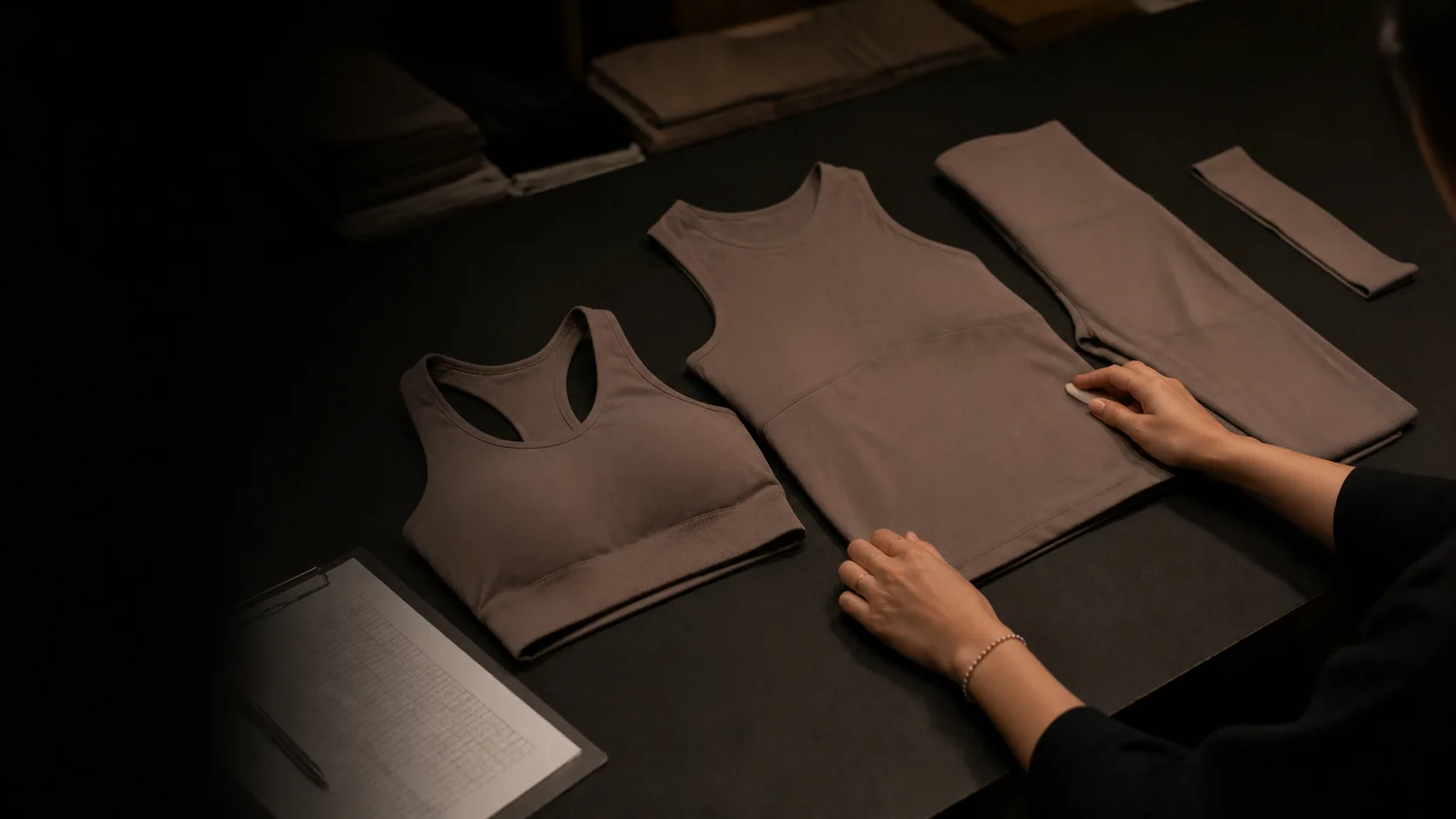
She insisted on seamless. Cut-and-sew was what her product needed.
“I wanted the premium feel — not to sacrifice function just to say 'seamless'.”
Read the case5 case studies
Fit + performance
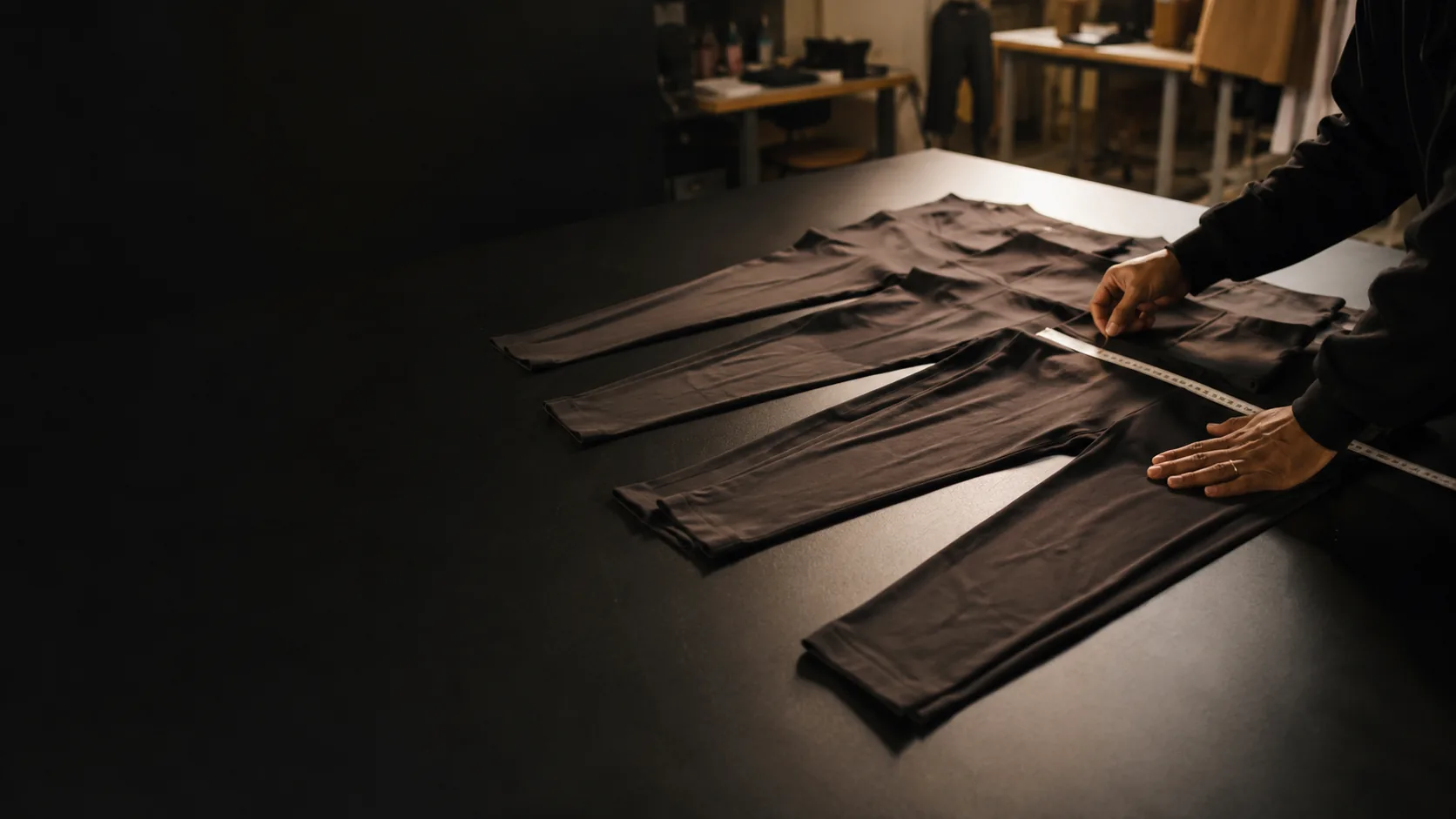
A beautiful size M sample doesn't mean XS–2XL will fit
“The factory kept tweaking individual sizes. Nobody was managing the size range.”
Read the case 05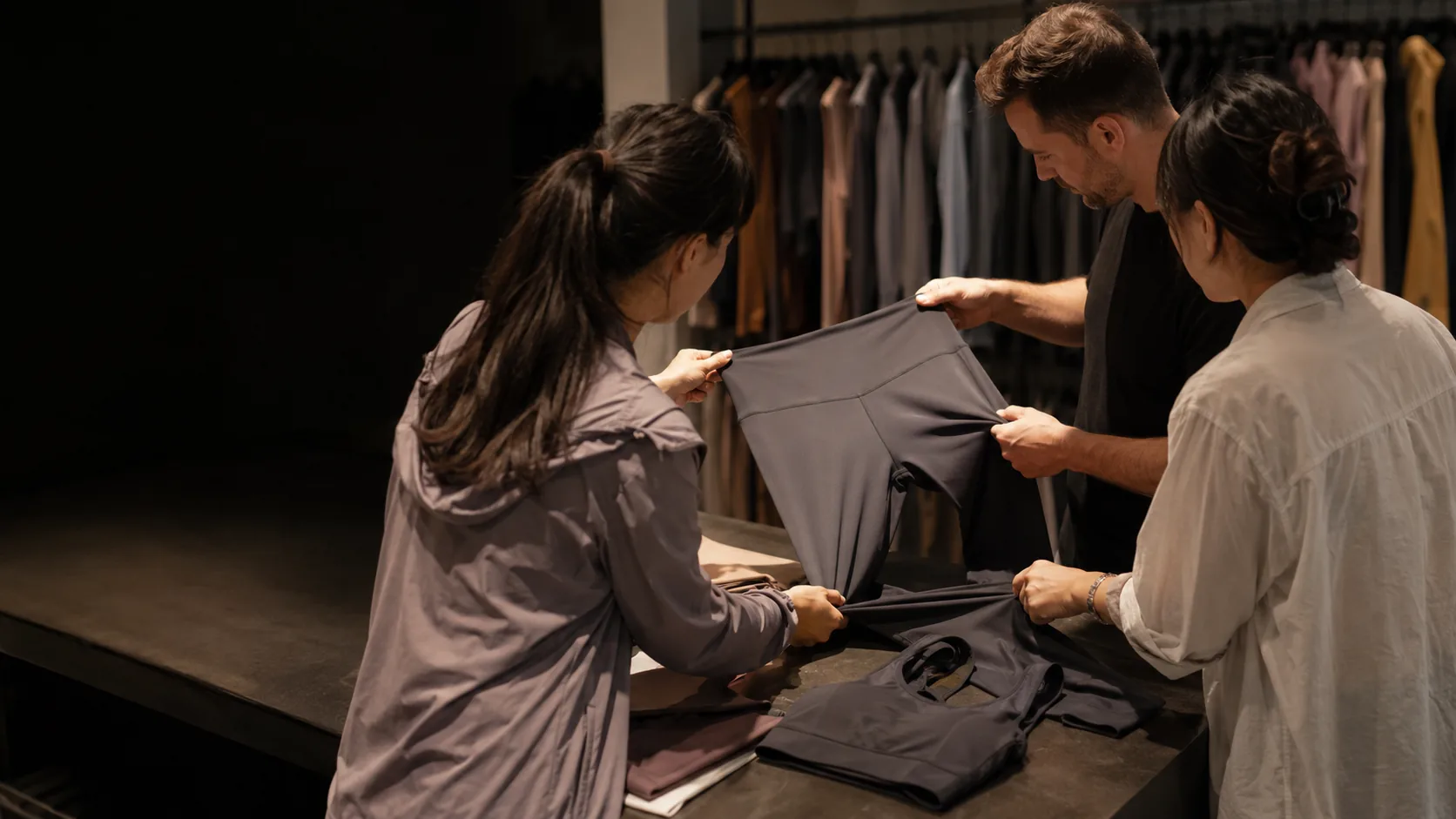
Opaque on the table, transparent in a squat
“Why is the swatch fine, but the pants aren't?”
Read the case 06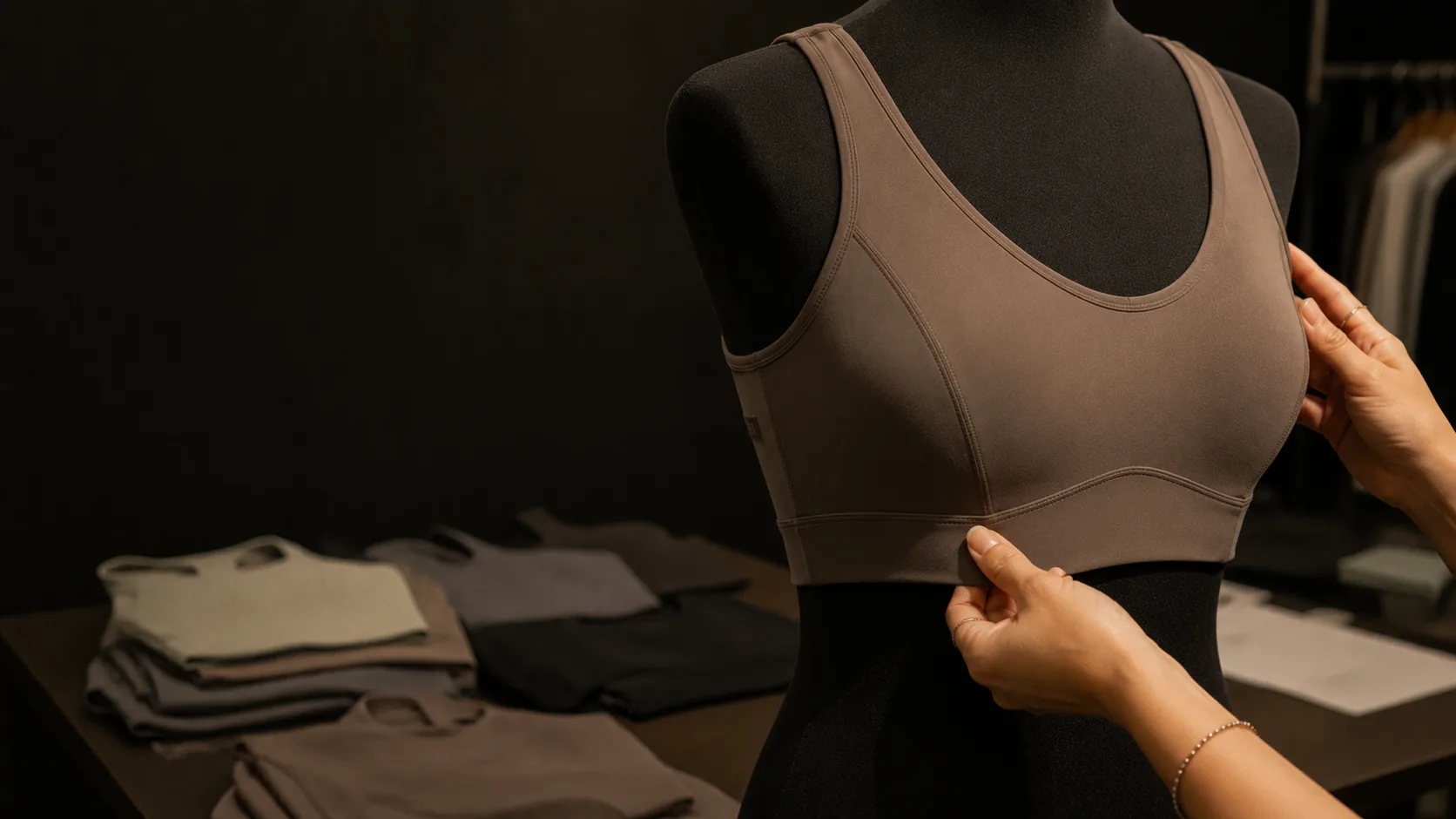
Making the bra tighter didn't make it supportive
“The sample was tight, and customers still didn't feel secure.”
Read the case 07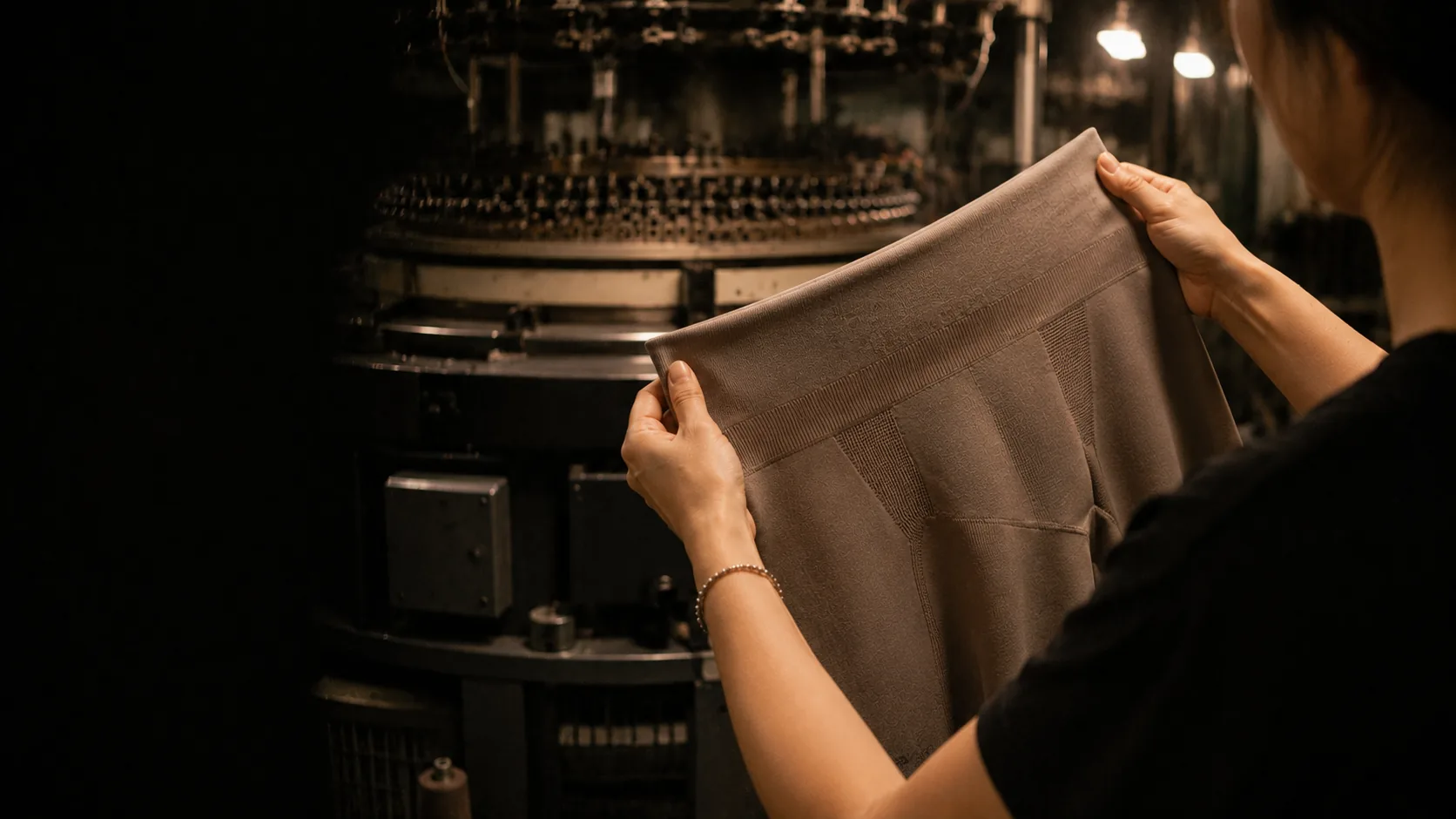
The seamless zones looked high-tech — and missed the body
“The factory said it could be knitted. Nobody said what would happen on a body.”
Read the case 11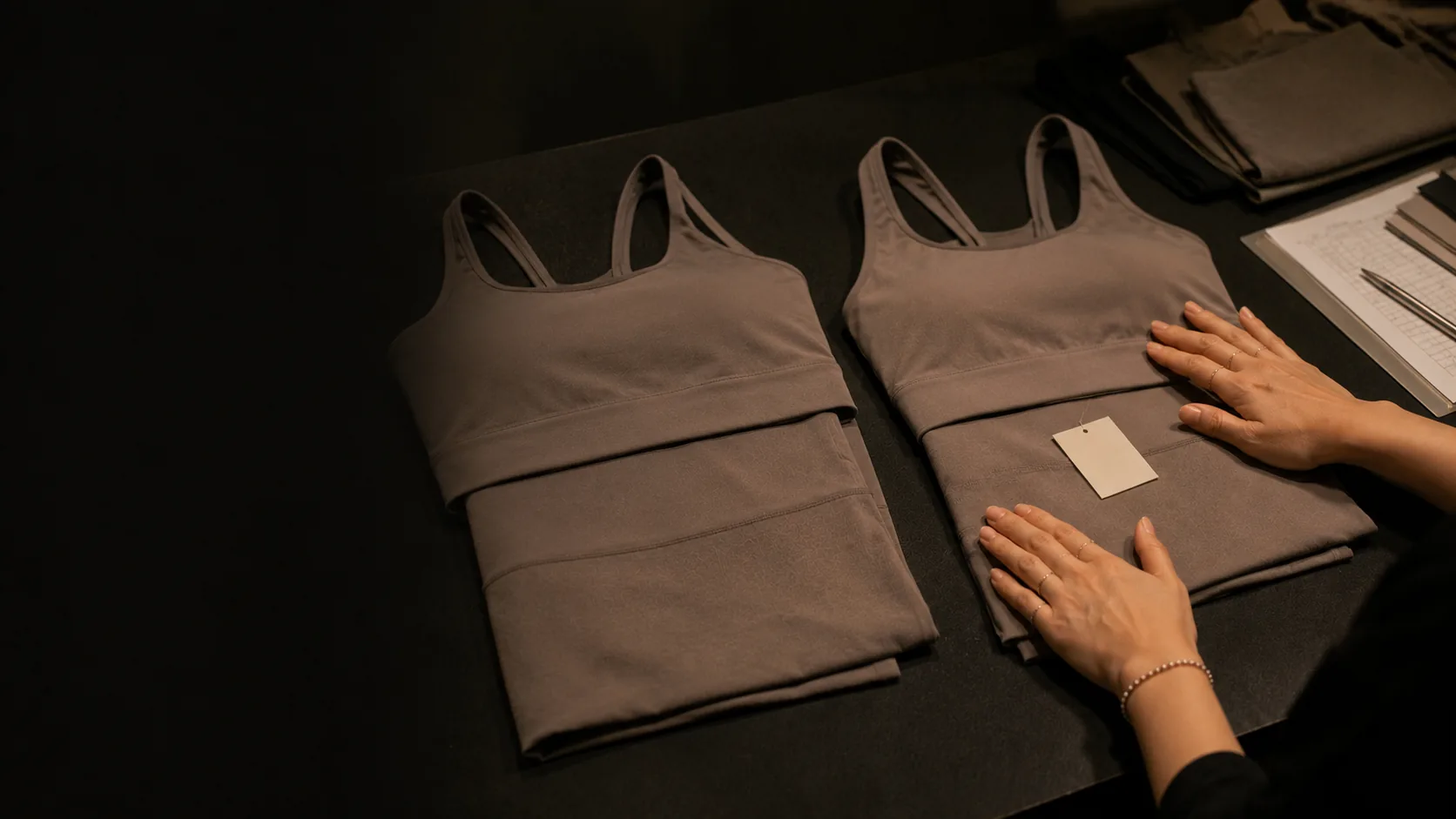
Gorgeously soft at first touch — shapeless by mid-afternoon
“I love how it feels in the hand. I can't accept it deforming after one wear.”
Read the case5 case studies
Brand consistency
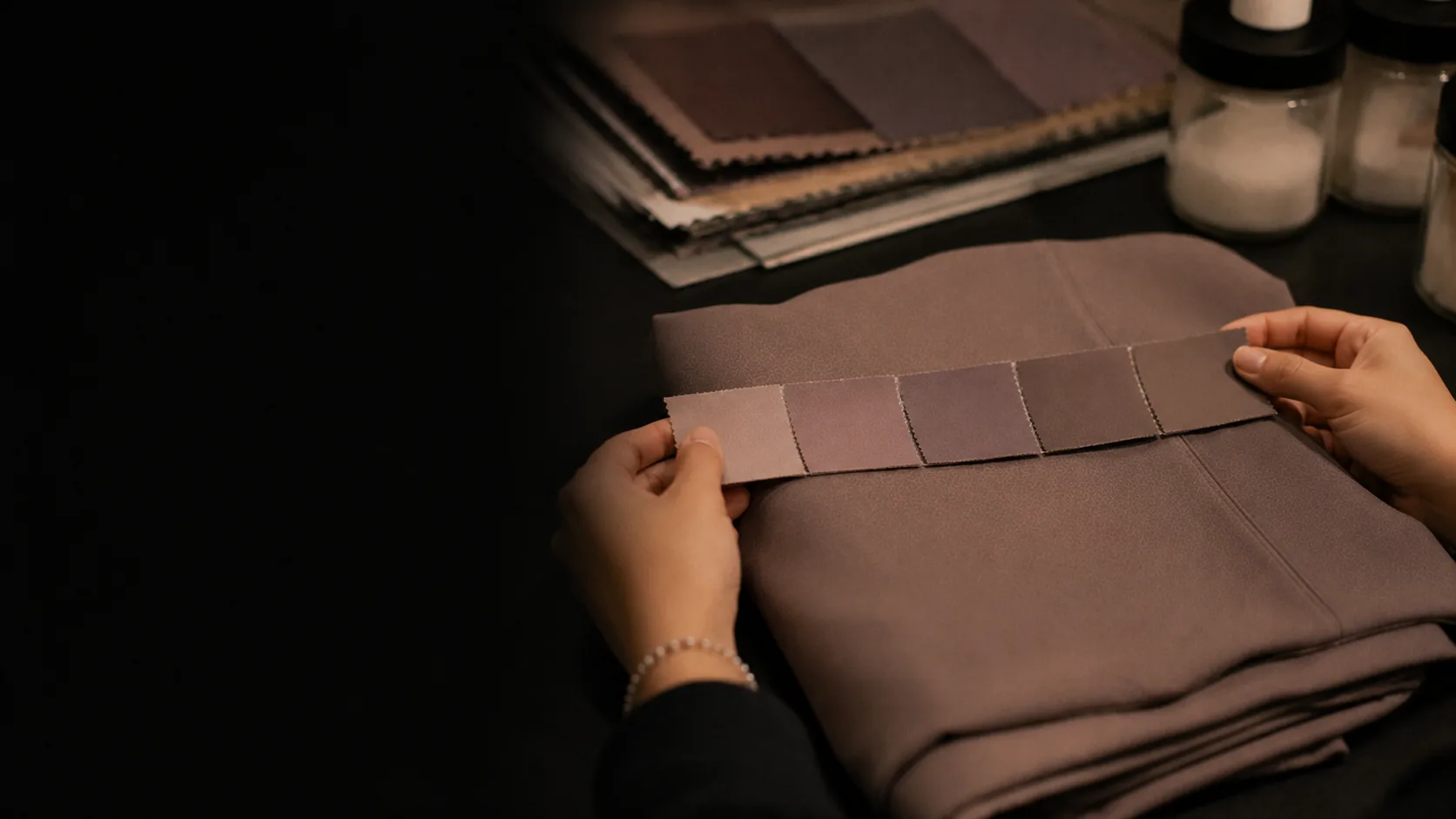
Three suppliers, three 'standard blacks', one mismatched collection
“Every piece was made right. Why is it wrong when they're together?”
Read the case 10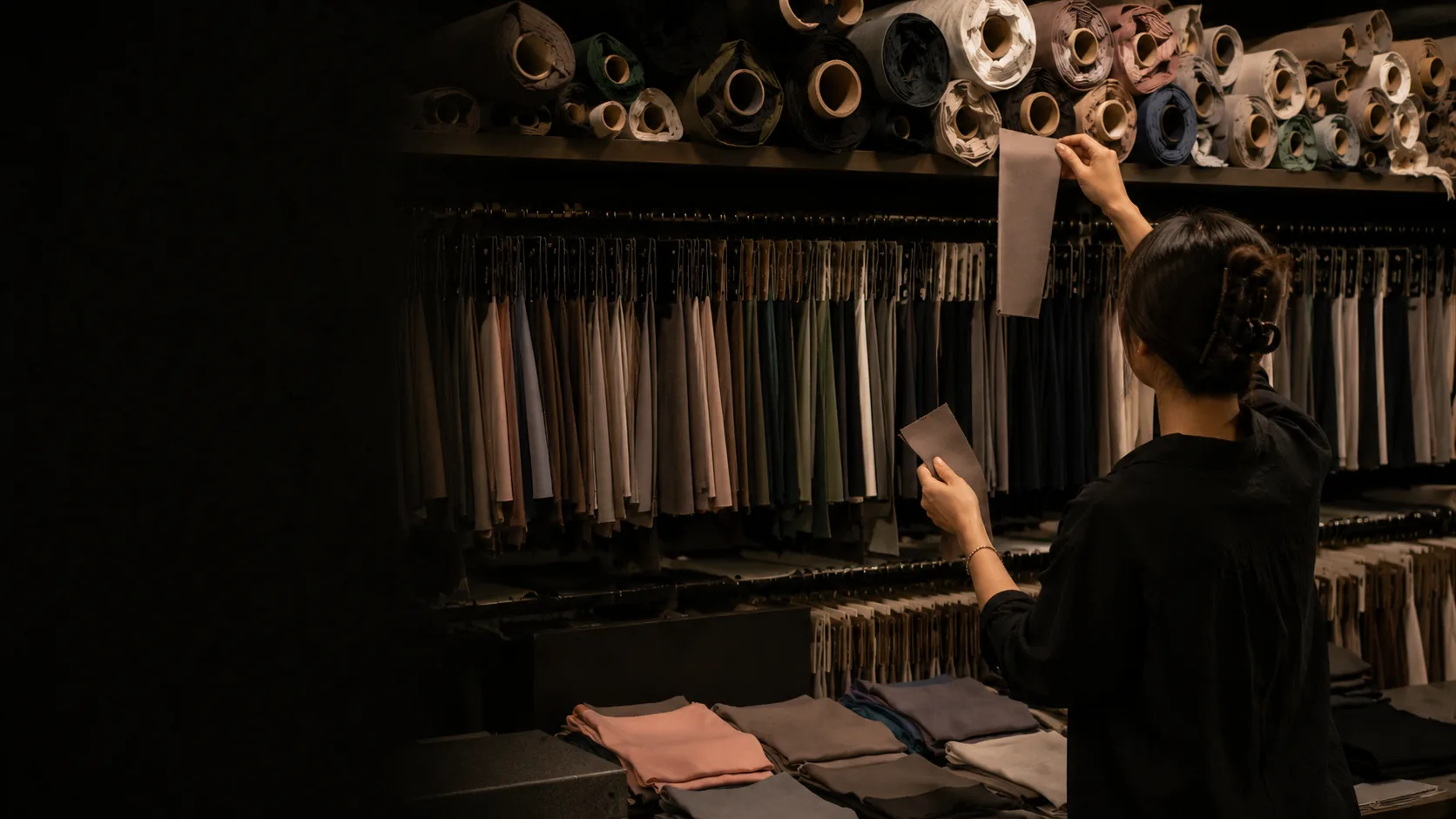
The fabric was discontinued. 'Something similar' nearly killed the bestseller.
“Customers may not name the fabric change. They will absolutely feel it.”
Read the case 13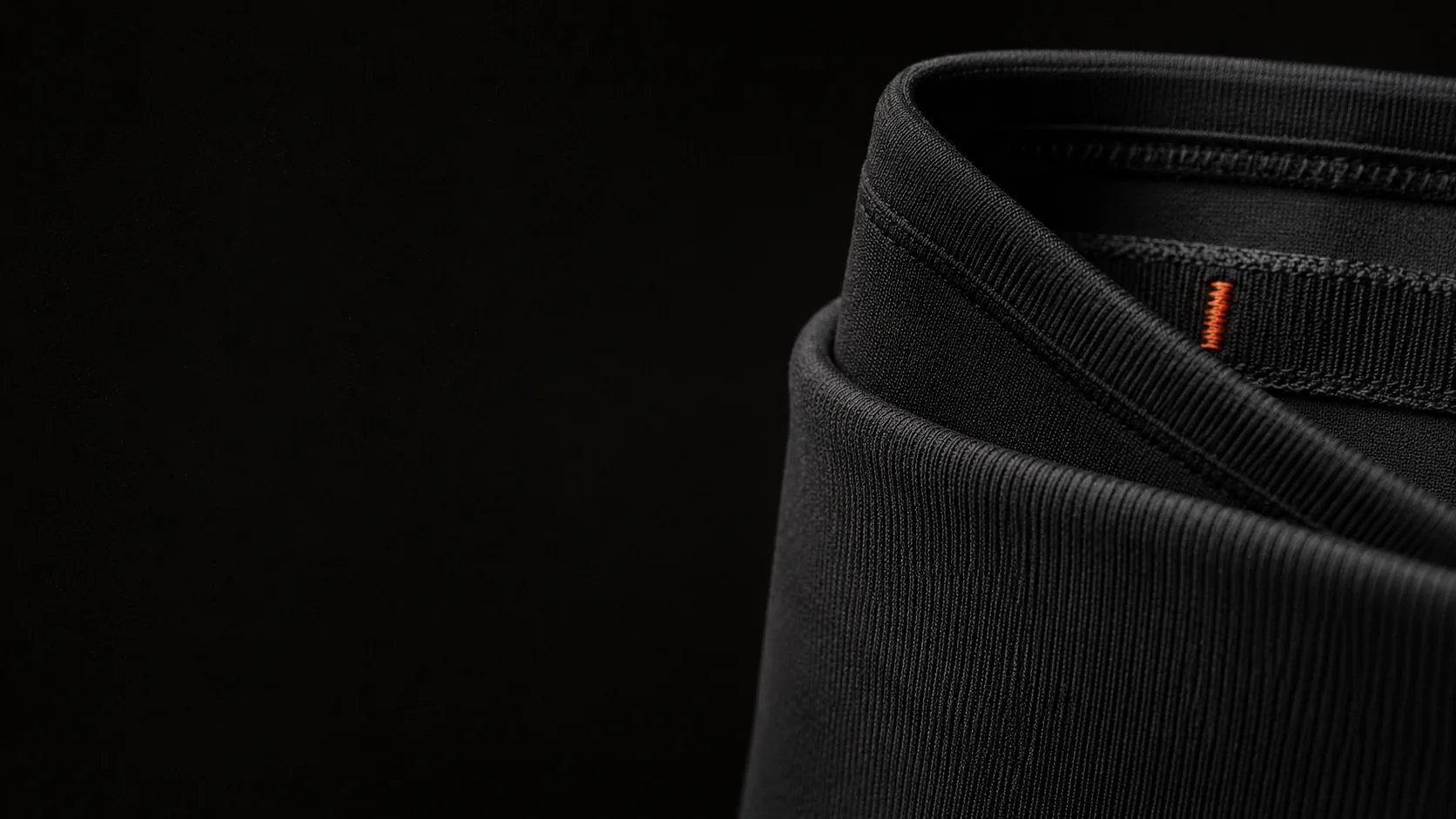
The logo was beautiful — until stretch and washing lifted its edges
“The whole garment is excellent — and one lifting logo can cheapen all of it.”
Read the case 14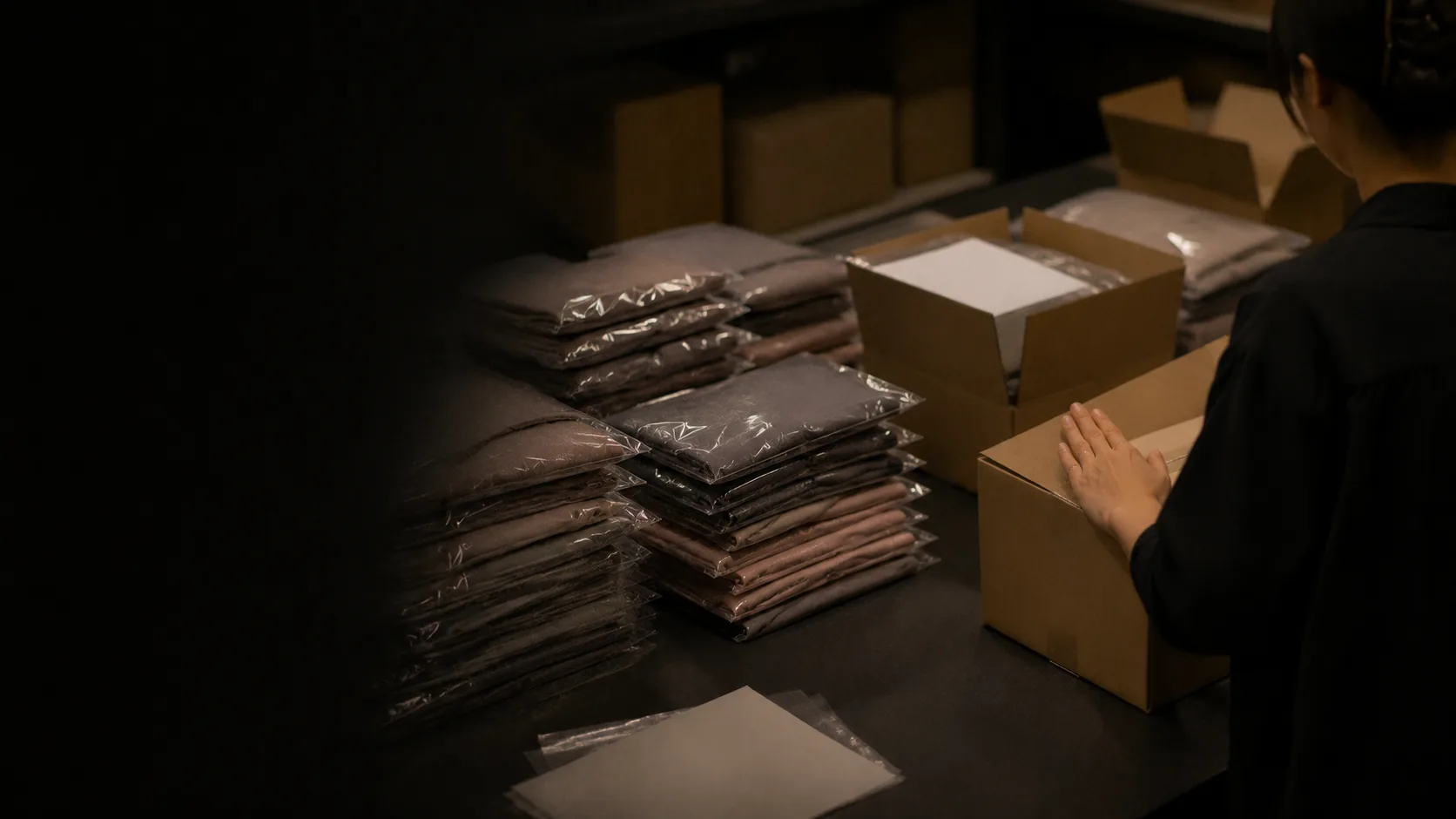
The garments were finished. The order still couldn't be packed.
“Finding a packaging problem in the final week is the most expensive, most unnecessary rework there is.”
Read the case 19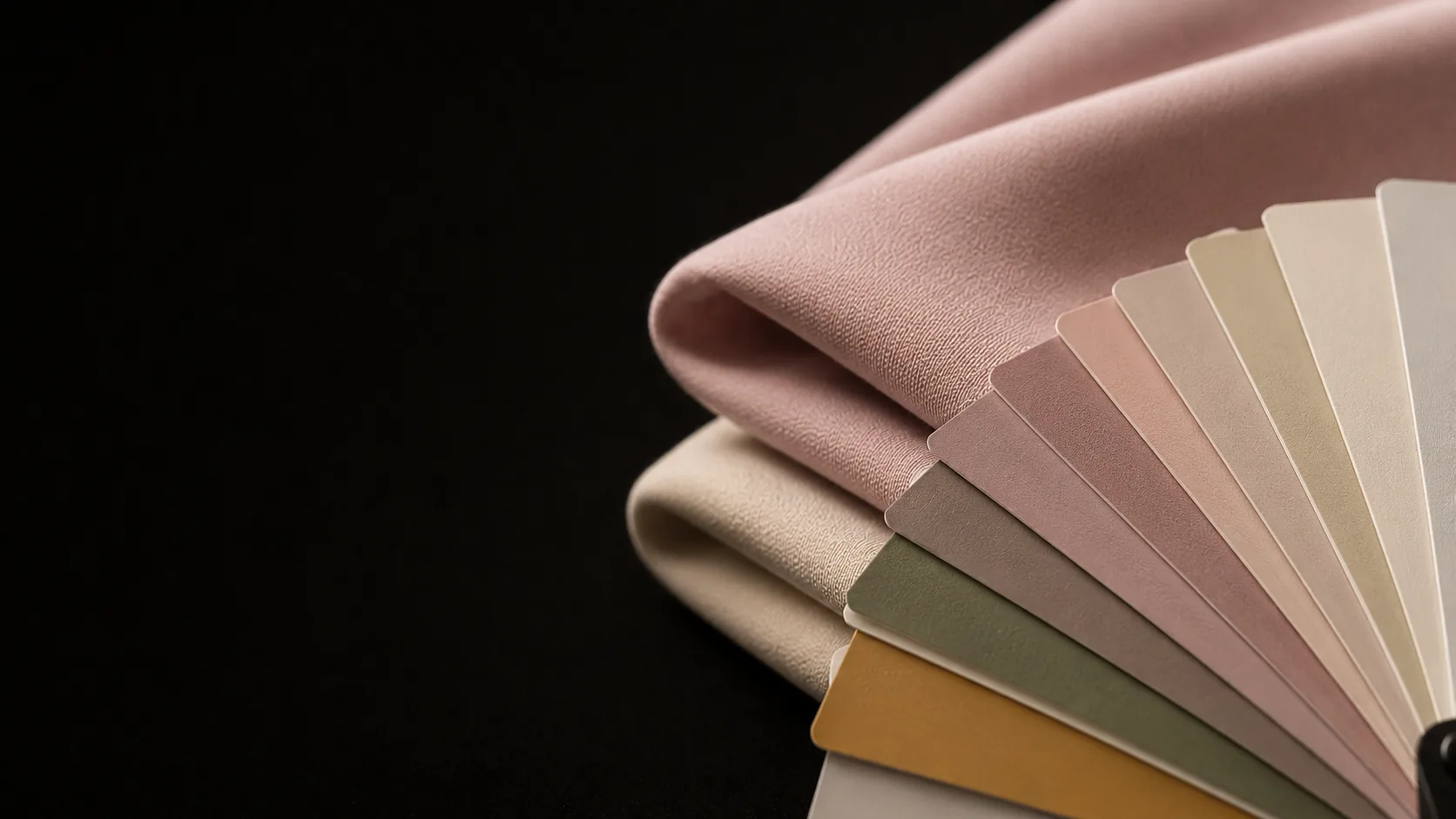
Every reorder of the bestseller needed re-explaining — because no product standard ever existed
“It's our best-selling product, and we don't own a single real document about it.”
Read the case4 case studies
Managed production
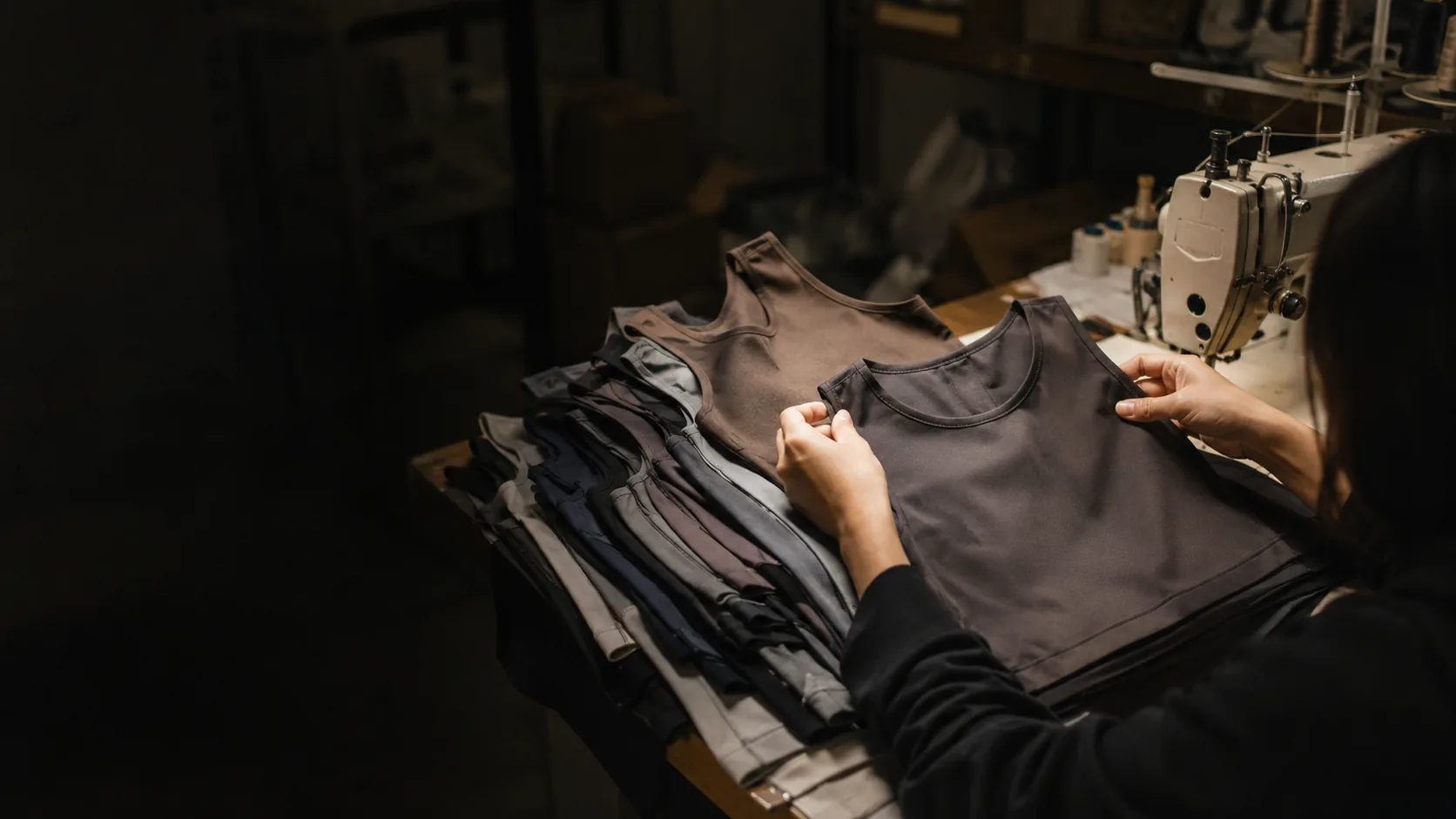
Five sample rounds, and the same problems kept coming back
“We kept changing things — with no idea whether we were getting closer to a final product.”
Read the case 16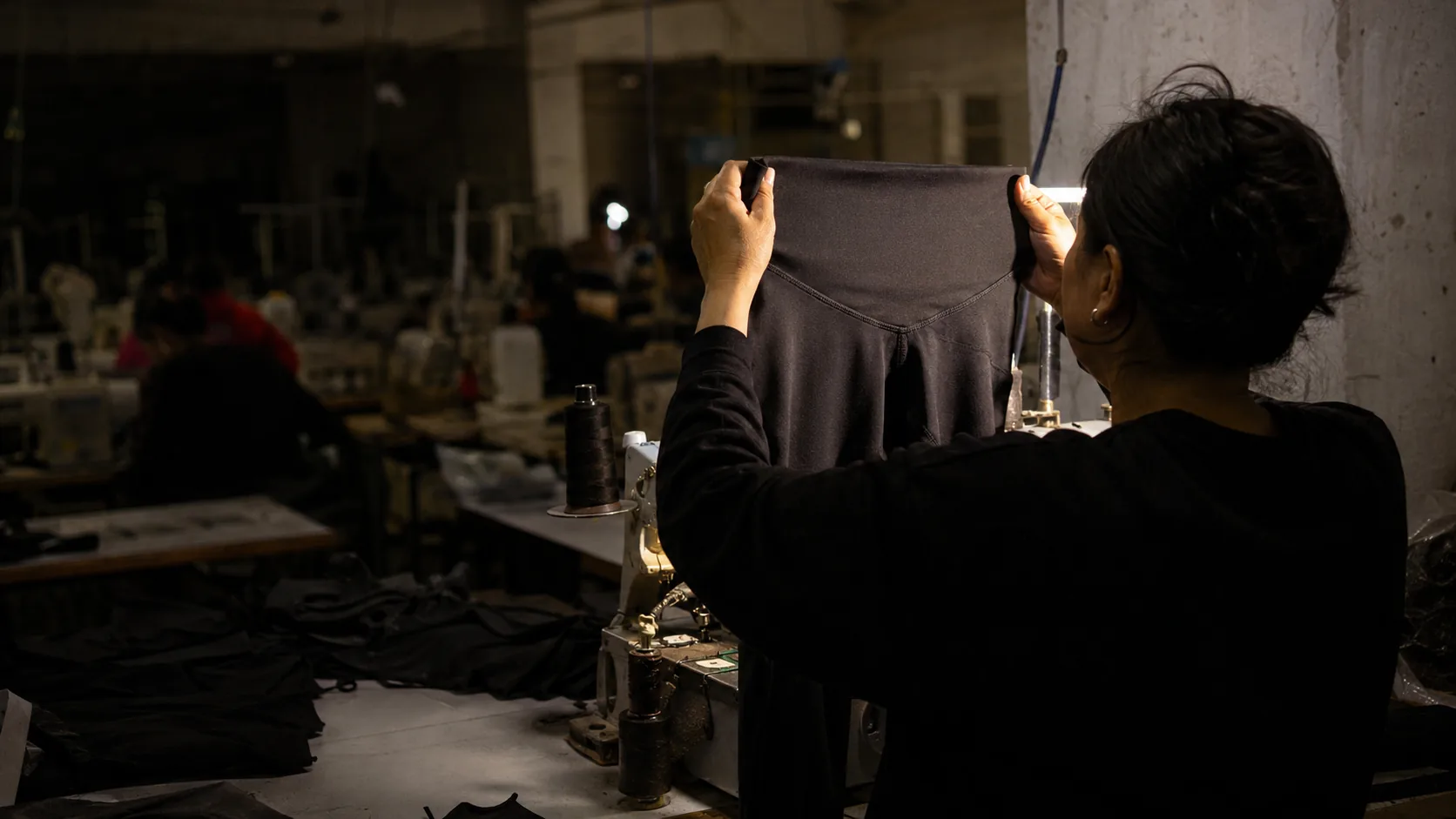
'All normal' for three weeks — until the launch date was already lost
“I can accept problems. I can't accept learning about them on the last day.”
Read the case 17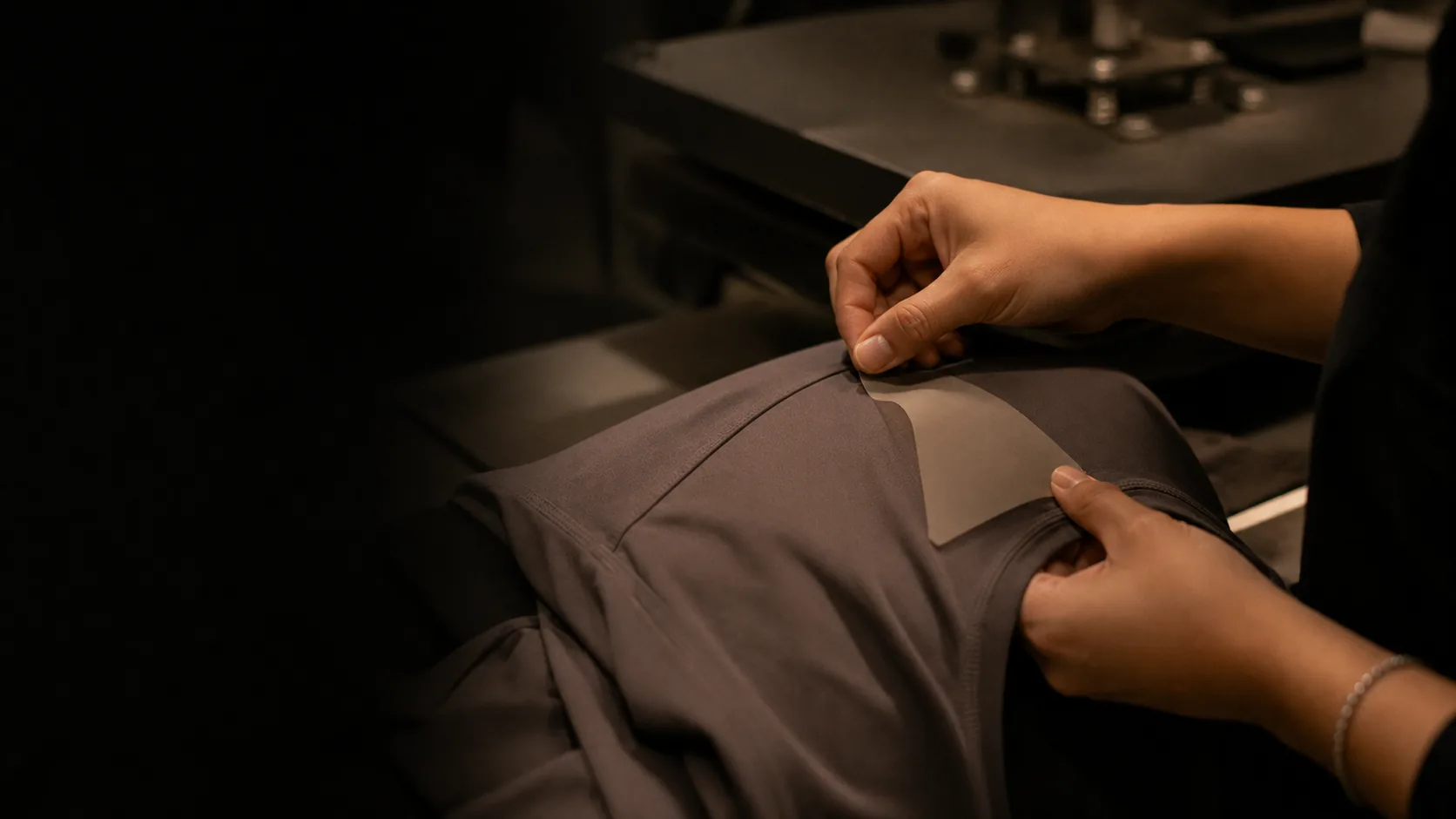
The pre-production sample was perfect. The first 20% of bulk was already drifting.
“I don't just need an inspection report. I need the problem to stop happening.”
Read the case 18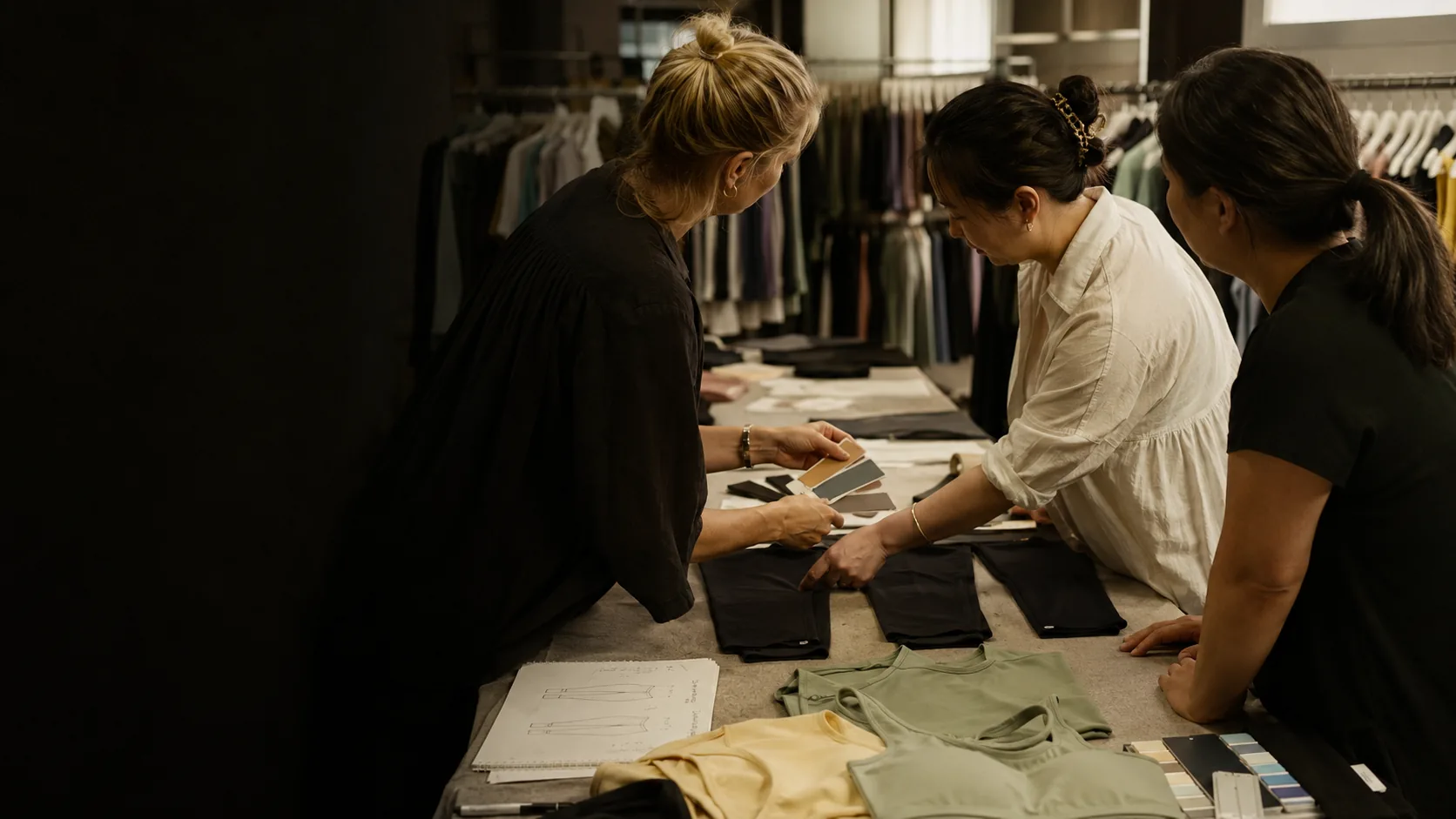
Three product types, three specialist factories — one project to manage
“I'll happily use the best factory for each product. I won't become the project manager between three of them.”
Read the case2 case studies
Documentation + market readiness
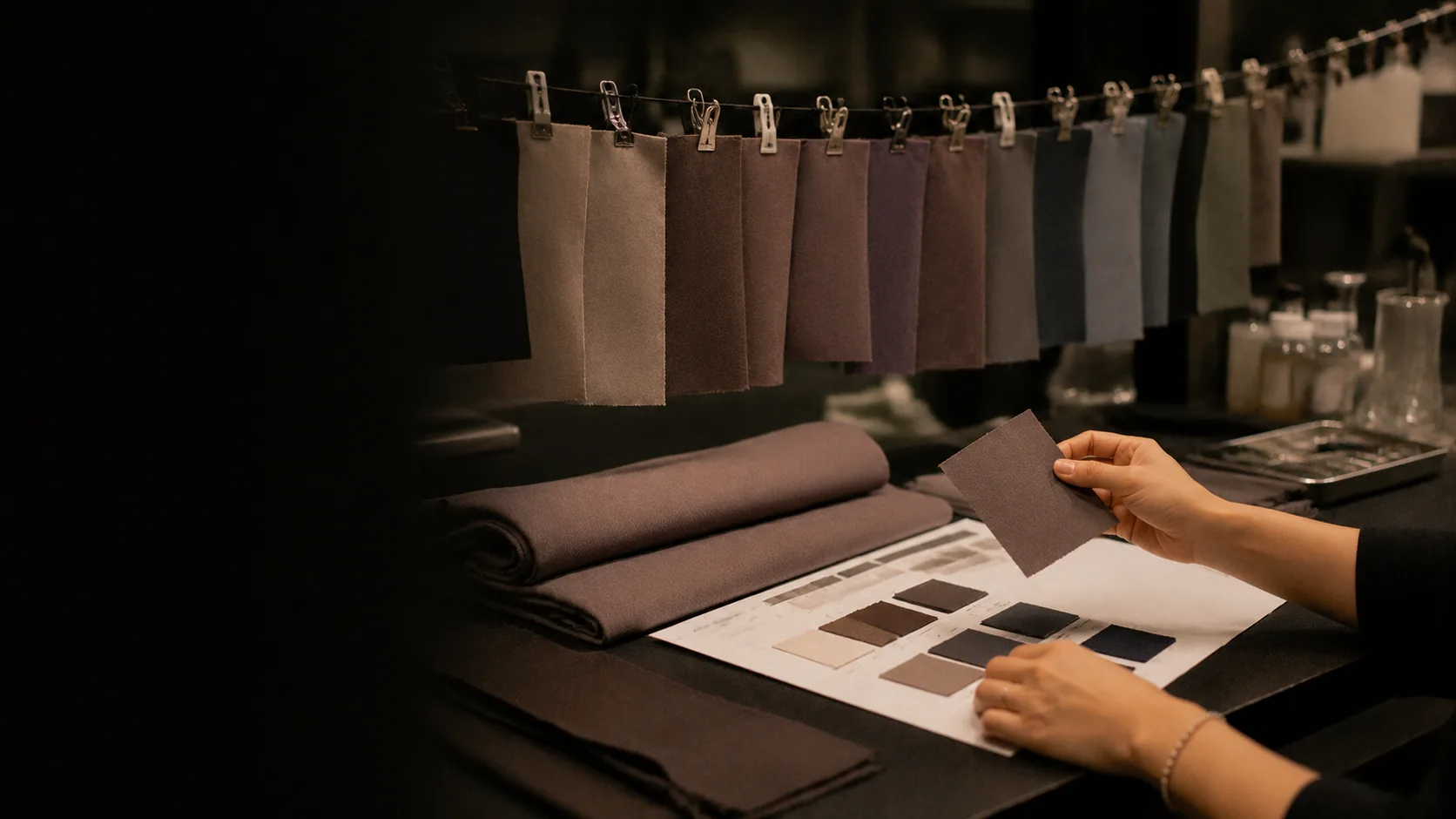
'It's recycled fabric,' the supplier said. The client needed an evidence chain.
“I'm not just buying a recycled fabric. I need to know what I'm allowed to say.”
Read the case 20
When retailers asked for traceability, the answers were scattered across old emails
“The information wasn't missing — nobody could prove which document belonged to which product.”
Read the caseBuild your next collection